The output follows the reference action and its overall timing closely.
Recreate · 4 min read
How to replace a video character without changing the audio
Change who is on screen while asking Recreate to retain the original sound; check the finished audio and sync.
Try Recreate with original audioUpdated 2026-10-19
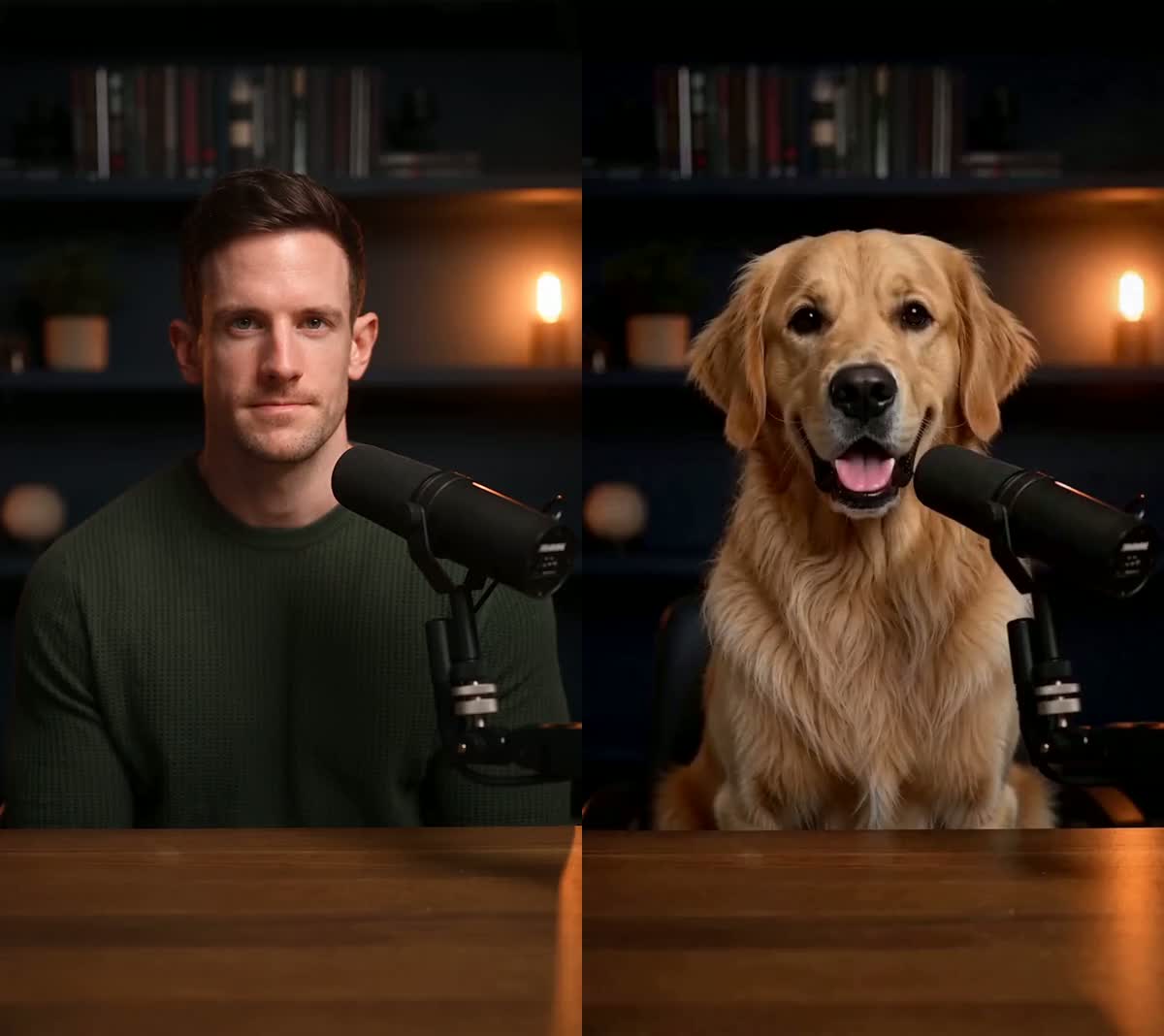
ReferenceRecreated
The short answer
Upload your own 4–15 second reference clip, add one authorized character image, and choose “Keep the original sound” before generating. The model uses the reference to guide the new subject's motion, camera and timing and to retain its audio when possible; sound or sync can vary, so compare both files before publishing. Recreate costs 700 credits per output second, so a 6-second result is 4,200 credits; the exact total is shown before submission.
Listen to a real reference and result
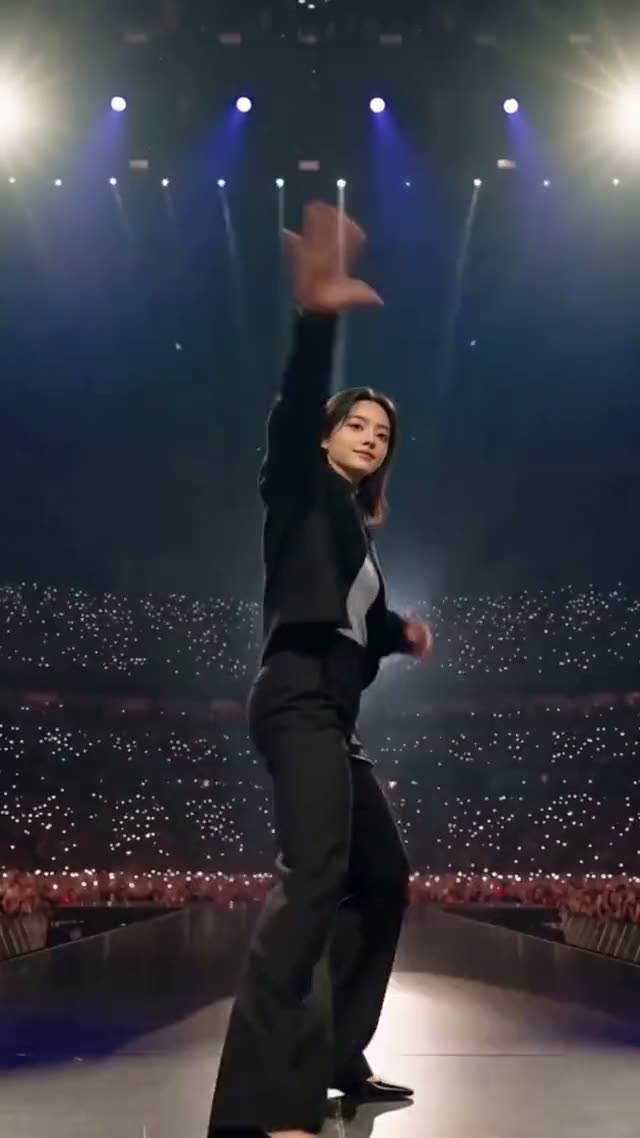
The hero above is a silent visual comparison. This separate Rockstar Entrance example has sound in both the original template and an existing Recreate result made with one AI character image. Press play on each clip to compare them.
Play one at a time with sound on. The generated clip is about half a second longer than the reference. This example does not guarantee exact audio transfer or perfect synchronization for other clips; review your own result before publishing.
Step by step
- Start from a clip whose audio you want to keep
This works best when the audio is the part worth keeping — a good take, a licensed music bed, a line delivered with the right timing. Use a template, or your own clip between 4 and 15 seconds.
- Add the character who should be on screen instead
One image, one subject, front-facing. You can recast a human speaker as a pet or fictional character, but the generated mouth movement and retained speech may not align perfectly. Check both on the result.
- Select “Keep the original sound”
This is the setting that matters for this workflow. The alternative, “No sound”, returns a silent video — useful when you intend to dub, and exactly what you do not want here.
- Check the sync on the result
Play the result against your original with sound on. Listen for the same words, music and beat timing, then check the captions and mouth movement. The hero visual comparison has no audio track; the separate Rockstar pair on this page is one audible example, not proof that your clip will match.
What the reference controls
Framing and camera movement are driven by the reference clip, not re-invented.
The output duration follows the reference duration, and key beats are designed to stay aligned.
“Keep the original sound” asks the model to retain reference audio when available. Listen to the finished result: sound and timing can still differ.
Burned-in captions and stickers are generally preserved with the reference, but generative output can vary — review the final result before publishing.
UI, product shots and price badges are designed to stay in place. Small text and fine detail are worth checking on the result.
What actually makes a difference
Work backwards: find the clip whose sound you want, then cast into it. Choosing a reference for its visuals and hoping the audio fits is the wrong order.
Burned-in captions are generally preserved along with the reference, so they should still match the audio afterwards. Check them on the result rather than assuming.
Recreate is not a dialogue editor. If you need the character to say something different, use Video Lip Sync with authorized replacement speech.
Sync holds best on short references. A 6-second clip has far fewer frames in which anything can drift than a 15-second one.
Questions
Does the new character lip-sync to the original speech?
The reference guides both the performance and audio, but the generated mouth movement may drift. Watch and listen to the result before publishing; if you need different words, use Video Lip Sync.
Does the example above demonstrate the audio?
The hero side-by-side is silent; the separate Rockstar Entrance pair on this page has sound in both source and generated result. Play both, then check your own result separately: one example cannot guarantee exact audio or lip sync for every clip.
What if I want different words?
Then you want Video Lip Sync, which matches a mouth to replacement audio you provide. Recreate changes who is on screen, not what is said.
Are burned-in captions preserved?
Generally yes — on-screen text, stickers and graphics are designed to stay in place with the reference. Generative output can vary, so review small text on the final result.
Can I mute it instead?
Yes — choose “No sound” and you get a silent video to score or dub yourself.
What would a 10- or 15-second video cost in dollars?
A 10-second result uses 7,000 credits; the one-time $9.99 pack adds 7,000 credits. A 15-second result uses 10,500 credits; the one-time $15 pack adds 11,000. Your existing balance counts toward either result, so the tool shows the exact shortfall and the smallest single pack that covers it after you select your clip.
Is this only a face swap?
Recreate is for changing the main visible character while using the reference for the action, camera and timing — not just overlaying a new face. It works best with one clear subject. It does not let you independently replace every person in a crowded uploaded clip, and generative details can vary; review the result before publishing.
Related tutorials
Ready to try it?
Change who is on screen while asking Recreate to retain the original sound; check the finished audio and sync.
Try Recreate with original audio