Text to video lip sync
Type a new line. Keep the usable take.
Use a finished single-speaker clip you are allowed to edit when the words changed after filming. Type the approved line, choose a ready-made voice or a saved My Voice, then review the result before you publish.
Prepare your video and speech first. A free account is needed only when you generate.
Start with this inputNeed another route? Compare all three speech inputs.
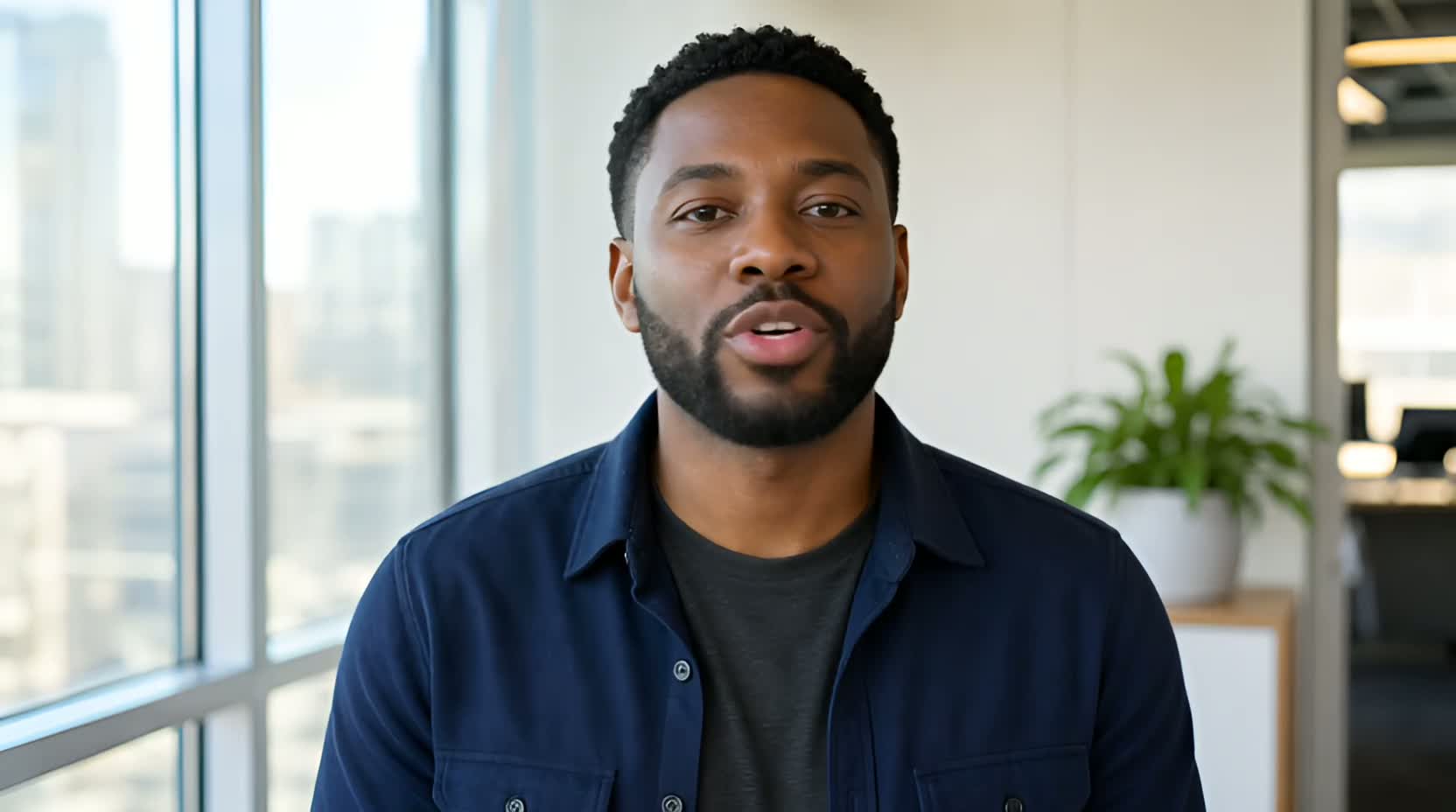
This approved A/B example shows the kind of short, single-speaker update Lip Sync is designed to make. Review every generated result before publishing.
Create
Bring one clear video. The matching speech mode is already selected.
You can switch modes at any time. The same price, consent, queue and result rules apply across all routes.
Use the finished take as-is. Start with your own video or try a ready-made sample.
MP4 / MOV · one clear face · current production limits applyNEW SPEECH
What should they say?
Type text, upload your own audio, or record. Try different lines anytime.Input guide
Make the typed line easy to review
Bring the approved video
Upload an MP4 or MOV with one clear, forward-facing speaker.
Type and hear the intended line
Write the final wording, then select a ready-made voice or a saved voice you are authorized to use.
Generate, inspect, then publish
Check the mouth movement, wording and any visible captions in the finished MP4 before using it.
- Keep the line focused. Speech length is limited by your available credits rather than a fixed plan duration; the exact price appears before you generate.
- Use one clearly visible speaker. This tool changes mouth timing; it does not create a person or translate a script.
- Only use voices, footage and wording you have permission to process.
Questions
Text to video lip sync questions
Can I write any script?
You provide the wording and must have permission to use the video and voice. Speech length is limited by your available credits; review the final result before publishing.
Does this translate a video?
No. Typed text is spoken in English voices only, and the result matches one visible speaker. If you already have a dubbed audio track in another language, use video dubbing instead — we match the mouth to the track you supply.
Can I use my own saved voice?
Signed-in users can choose a ready saved My Voice in Type text. Do not clone or use a voice without permission.